

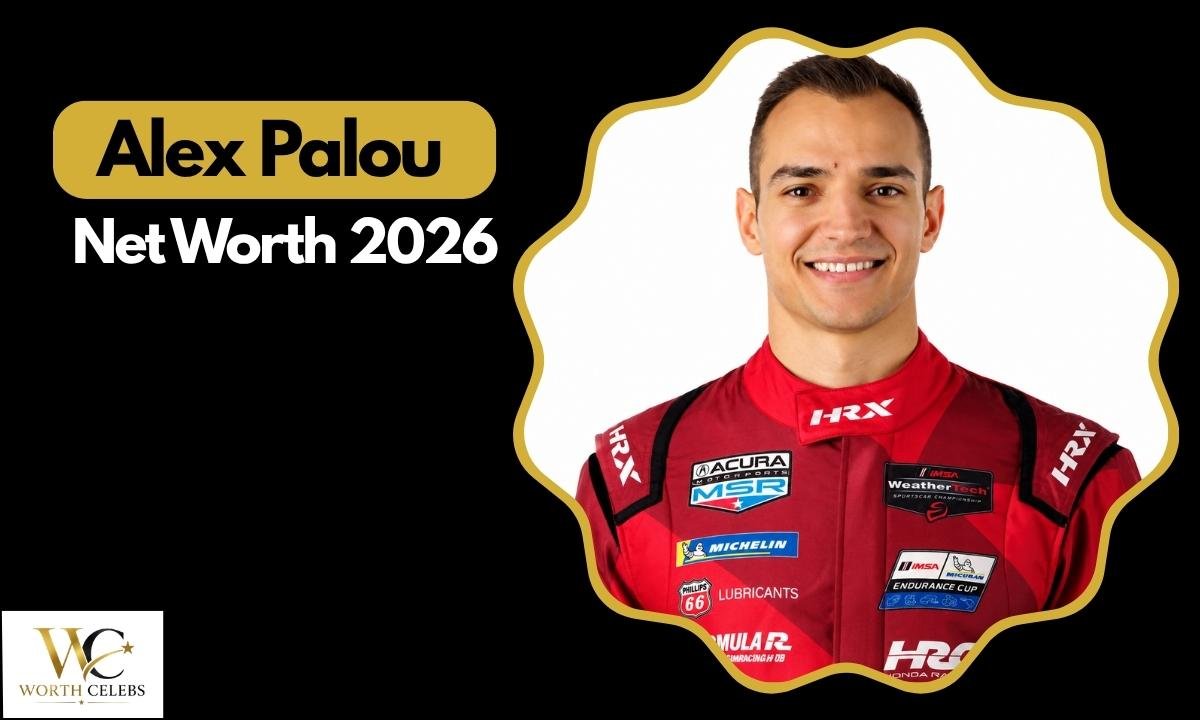
Alex Palou races like a man who’s got something to prove. And honestly, at this point, he’s proved it. His real name is Alex Palou Montalbo, and he was born on April 1, 1997, which makes him 29 years old in 2026. He’s originally from a small town near Barcelona, Spain. Today he lives in Indianapolis with his wife, Esther Valle, and their daughter, Lucia. Four IndyCar titles. One Indy 500 win. Not bad for a kid who started out on a borrowed go-kart.
So what is Alex Palou net worth right now? Estimates put it between $5 million and $10 million. That number comes from his IndyCar salary, his race winnings, and a growing list of sponsorship deals and brand endorsements. Add in his business interests, a few smart investments, and steady wealth growth year over year, and you get a driver whose bank account is climbing just as fast as his trophy case.
Table of Contents
Alex Palou Net Worth Bio Data Table
| Category | Details |
| Full Name | Alex Palou Montalbo |
| Date of Birth | April 1, 1997 |
| Birthplace | Sant Antoni de Vilamajor, Catalonia, Spain |
| Current Residence | Indianapolis, Indiana, USA |
| Team | Chip Ganassi Racing, No. 10 Honda |
| IndyCar Titles | 2021, 2023, 2024, 2025 |
| Indy 500 Win | 2025 |
| Estimated Net Worth 2026 | $5 million to $10 million |
| Primary Income | IndyCar salary and race prize money |
| Spouse | Esther Valle |
| Child | Daughter, Lucia |
Who Is Alex Palou? Background and Early Life
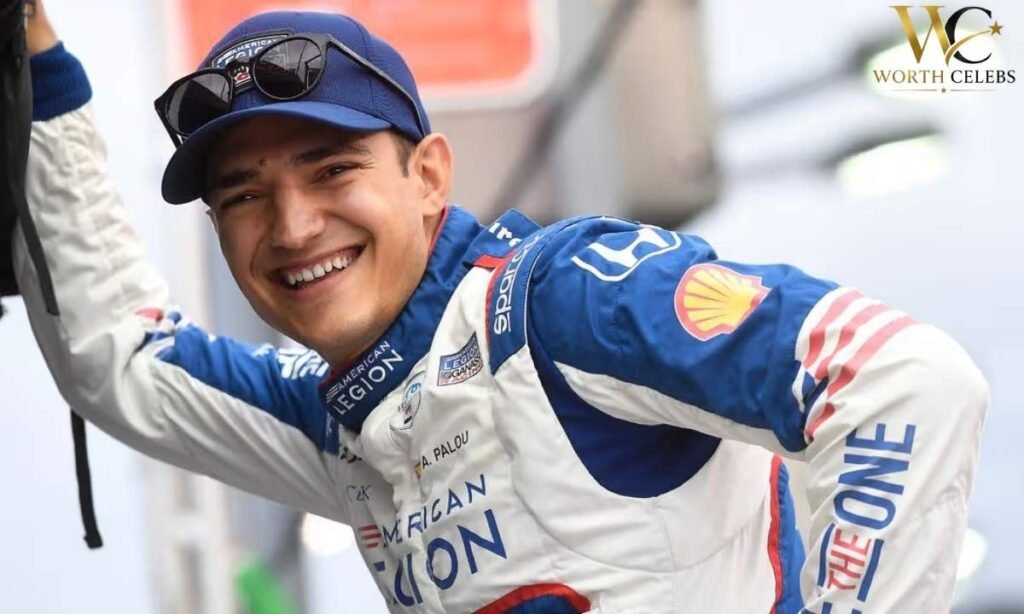
Nobody handed Alex Palou anything. He was born in a small Catalan town outside Barcelona in 1997, and his family scraped together enough money to buy him a go-kart after he spotted a local track. That single gift changed everything. No one in his family had ever raced before, so this was a fresh chapter for everyone involved, not just him.
His father was tough about it, too. He made a young Palou practice on wet tracks even when the kid hated every minute of it, believing that discomfort builds champions. Turns out, he wasn’t wrong. Palou burned through the European junior ladder next, competing in Euroformula Open, Spanish Formula 3, GP3, and Formula 2. He was good. He just wasn’t great yet, and everyone around him knew it.
The real turning point came in 2019, when he moved to Japan to race in Super Formula. He earned Rookie of the Year honors there, picked up three pole positions, and finished third in the championship. American teams took notice almost immediately. By December of that year, he’d signed with Dale Coyne Racing for the 2020 IndyCar season, capping off a karting-to-IndyCar journey that took roughly fifteen years of relentless grinding.
Off the track, he speaks Spanish, English, and Italian fluently, plays pickleball in his downtime, and is married to Esther, with whom he has a daughter named Lucia. He also co-owned a small coffee shop in Spain with his wife between 2018 and 2020, serving customers and cleaning tables between race weekends. It’s a small detail, but it says a lot about how he thinks about money and work.
Net Worth Overview
So what is Alex Palou net worth based on right now? Public estimates and career earnings data put the figure somewhere between $5 million and $10 million. That range reflects his IndyCar salary, his prize money, his endorsement income, and his business interests all combined into one picture.
Top IndyCar drivers typically pull in between $1 million and $2 million annually in base salary, depending on experience and results. Palou sits firmly at the top of that bracket. His IndyCar earnings also include performance bonuses tied to wins, poles, and championship finishes, which pushes his real annual take-home well above the base number most fans assume he earns.
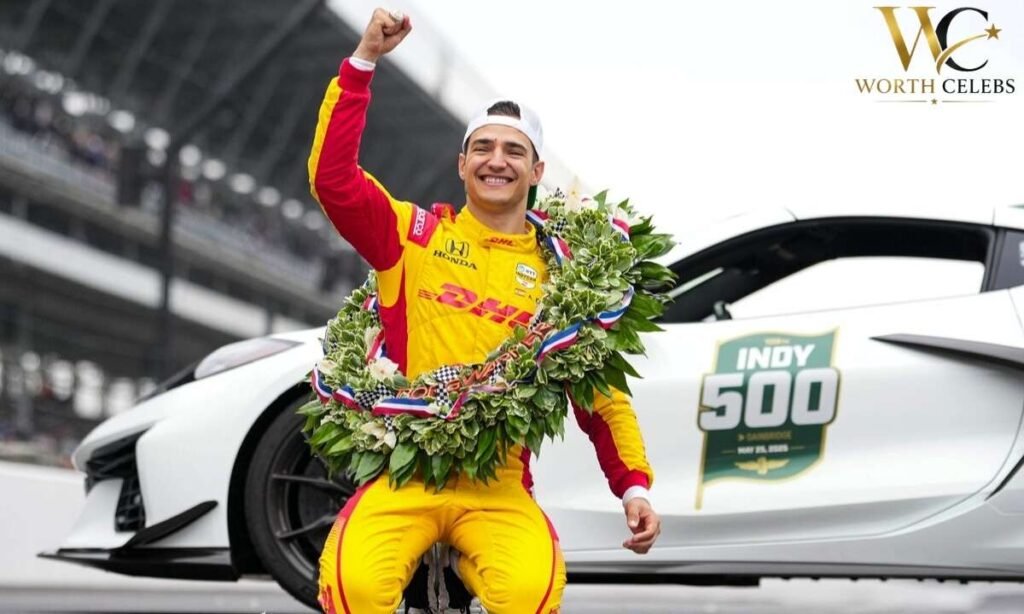
Then there’s the 2025 Indy 500. His Indy 500 earnings from that single race hit $3.8 million, drawn from a record total purse of $20.28 million. That’s nearly twenty percent of the entire prize pool going to one driver in one afternoon. No other event on the IndyCar calendar pays anywhere close to that for a single day of work.
Net Worth Growth Timeline
Palou’s wealth didn’t arrive overnight. It built up in distinct stages, and each one tells a different part of the story.
Before Fame
During his European racing years, Palou had almost no income to speak of. His family funded nearly everything, and he raced on tight budgets while sharing costs with sponsoring families, a common arrangement in junior motorsport. His motorsport career earnings at this stage were effectively zero, and honestly, given the debt racing families take on, they may have been negative.
Breakthrough Phase
Joining Chip Ganassi Racing in 2021 flipped his financial profile overnight. He won his debut race for the team at Barber Motorsports Park, then went on to claim his first IndyCar championship that same season. Endorsement conversations started happening for the first time in his career, and his wealth growth finally began in earnest.
Peak and Recent Years
By 2025, Palou had reached a different level entirely. He won eight races across seventeen starts, claimed his fourth IndyCar title, and became the first Spaniard in history to win the Indianapolis 500. His financial success since then has been steep and fast. In 2026, he opened the season by winning the first three rounds at St. Petersburg, Barber, and Long Beach, putting a fifth title firmly within reach.
Main Sources of Alex Palou Income
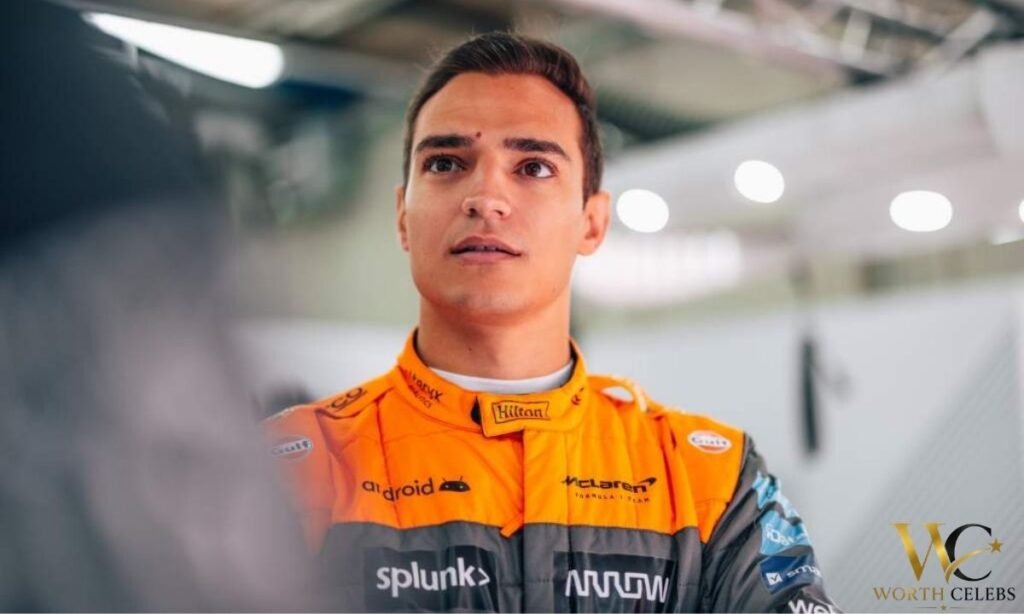
Palou’s money doesn’t come from one place. It comes from several layers stacked on top of each other, and understanding each one gives a much clearer picture of his real annual income.
Core Profession Income
His base IndyCar salary sits somewhere between $1 million and $2 million per year through Chip Ganassi Racing. On top of that come performance bonuses tied directly to race wins, pole positions, and overall championship results. Add the $3.8 million Indy 500 payday from 2025, plus appearance fees from IMSA endurance racing, including his 2026 run at the Rolex 24 Hours of Daytona with Meyer Shank Racing, and his core racing income starts to look substantial fast.
Brand Endorsements and Sponsorships
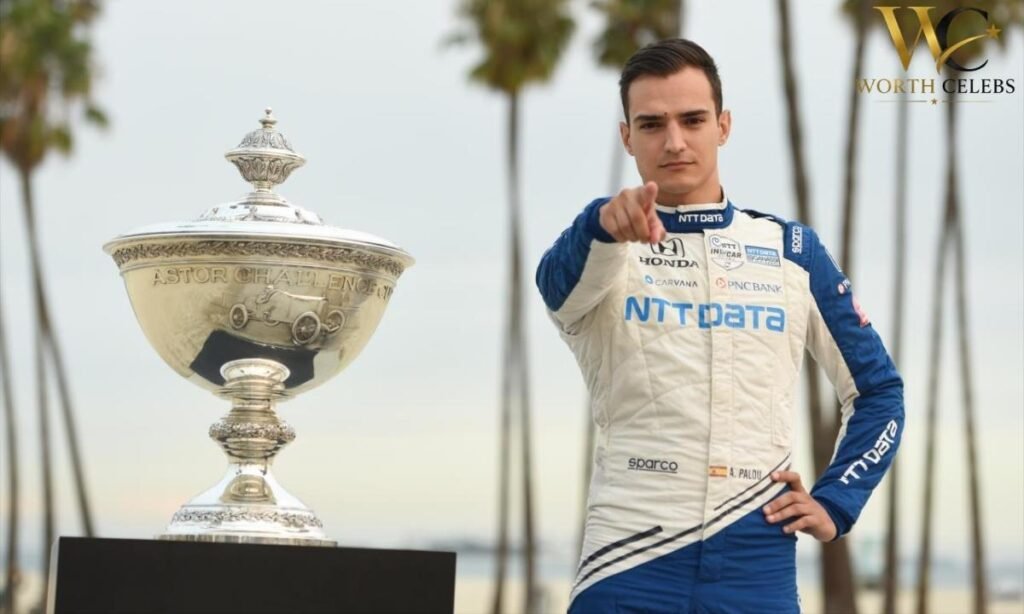
His brand endorsements include some genuinely well-known names. DHL remains one of his most consistent sponsors, sitting visibly on the No. 10 car every race weekend. Honda Racing Corporation partnered closely with Palou and Ganassi around the 2025 Barber Grand Prix, calling it a strong opportunity for brand visibility. NTT Data served as a major technical sponsor too, though that relationship later became central to a legal dispute we’ll cover shortly.
Acura rounds things out through his Meyer Shank Racing endurance program. His profile as the first Spanish IndyCar champion makes him genuinely attractive to brands chasing diverse American audiences, and his sponsorship revenue streams from these direct partnerships likely fall somewhere between $500,000 and $1.5 million annually, though exact numbers stay private.
Merchandise and Licensing Earnings
Official IndyCar gear, replica helmets, signed memorabilia, and other collector items all add a smaller but growing slice to his income. Demand for Palou merchandise surged noticeably after his Indy 500 win, and race-worn suits now command premium prices among serious collectors. His merchandise earnings and licensing earnings remain modest compared to salary and prize money, but they climb every time he adds a new milestone to his résumé.
Business Strategy Behind the Wealth
Palou thinks like an entrepreneur, and that becomes obvious the moment you look past the cockpit. Palou Motorsports, which he co-owns with his father, runs a junior racing team based in Europe. The team competed in Eurocup-3 during the 2025 season with five drivers from six different countries, including France, New Zealand, Brazil, Britain, and the USA, and it won three races that year.
This kind of wealth diversification strategy matters more than it might seem at first glance. He’s building a pipeline of future racing talent while keeping the revenue inside his own family operation, rather than watching it flow to someone else’s team. His decision to stay at Chip Ganassi Racing rather than move to McLaren was controversial at the time, but financially it proved to be the smarter call.
Ganassi covered his legal fees throughout the entire McLaren dispute, a bill that could have easily reached seven figures on its own. That kind of institutional loyalty is worth more than a slightly bigger paycheck somewhere else. His athlete investment portfolio is still fairly early-stage, but the direction is unmistakable: motorsport-adjacent business interests, disciplined spending, and long-term thinking over quick, flashy money grabs.
Awards, Achievements, and Financial Impact
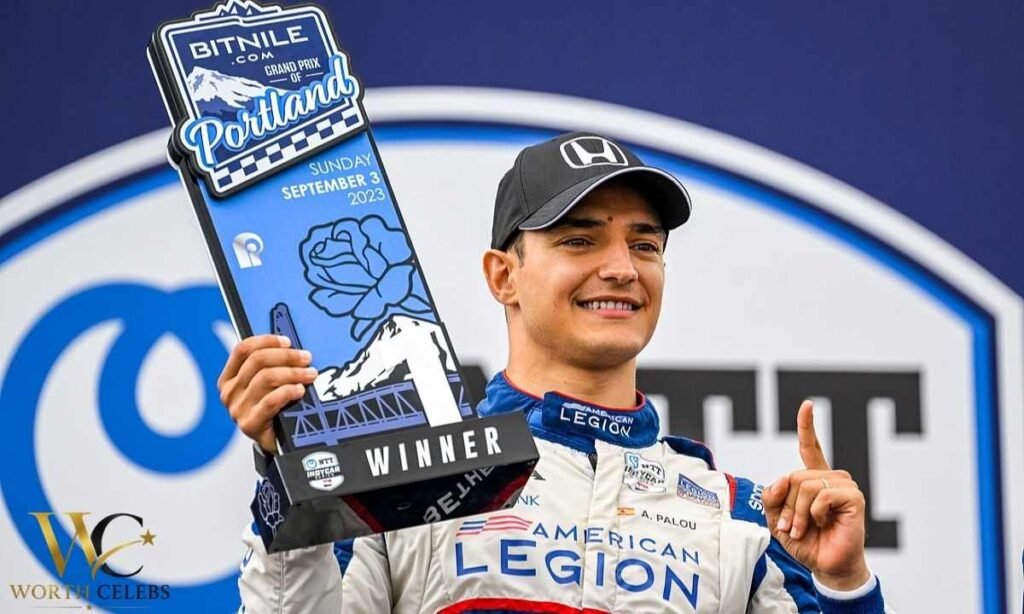
Every championship Palou wins doubles as a salary negotiation. His racing achievements map almost perfectly onto his financial growth, year after year.
| Achievement | Financial Impact |
| 2021 IndyCar Title | First major contract renegotiation, endorsement growth begins |
| 2023 IndyCar Title | Second Ganassi extension secured, DHL deal expanded |
| 2024 IndyCar Title | Third consecutive title, brand value spikes noticeably |
| 2025 Indy 500 Win | $3.8M single-race payday, historic global press coverage |
| 2025 IndyCar Title | Fourth title overall, GOAT conversation begins in earnest |
He holds 19 wins, 13 poles, and 44 podiums in fewer than 100 IndyCar starts, a pace no other active driver has matched this early in a career. He also held the IndyCar points lead for 623 consecutive days, an all-time series record, before briefly losing it in 2026. Numbers like these don’t just build a legacy. They build negotiating leverage with every sponsor watching from the sidelines.
Assets and Lifestyle
Palou’s lifestyle tells a story that’s a little different from most professional athletes at his income level, and that’s worth paying attention to.
Real Estate
Palou and Esther live in Indianapolis, close to both the Indianapolis Motor Speedway and Chip Ganassi Racing’s headquarters. He almost certainly maintains some connection to property back in Spain, given his family roots near Barcelona. His real estate investments lean practical rather than prestigious, and there are no reported mansions or sprawling estates tied to his name, which fits his overall approach to money.
Cars and Luxury
As a professional racing driver, his relationship with cars stays mostly professional rather than personal. He likely drives Honda or Acura road vehicles given his existing partnership agreements, which is common practice across motorsport. The real luxury in his life is the No. 10 IndyCar itself. He set a new Indy 500 pole record of 234.217 mph during 2025 qualifying, topping Scott Dixon’s long-standing previous record, and that’s a kind of luxury money simply can’t buy.
Fashion and Investments
His personal fashion sense stays understated and distinctly European, with no flashy brand ambassador deals on the clothing side just yet. His athlete investments center almost entirely on Palou Motorsports and other racing-adjacent business income streams. The coffee shop venture from 2018 to 2020 offered an early signal that he thinks commercially, not just competitively, long before the big paydays ever arrived.
Net Worth Comparison With Peers
Seeing Palou next to his IndyCar peers puts his numbers into sharper focus.
| Driver | Est. Net Worth | IndyCar Championships | Indy 500 Wins |
| Scott Dixon | $50 to $60 million | 7 | 1 |
| Josef Newgarden | $10 to $15 million | 2 | 2 |
| Pato O’Ward | $5 to $8 million | 0 | 0 |
| Alex Palou | $5 to $10 million | 4 | 1 |
| Marcus Ericsson | $5 to $8 million | 0 | 1 |
The gap between Palou and Dixon exists for one simple reason: time. Dixon has two extra decades of motorsport earnings built up behind him. Palou, though, is accumulating wealth at a noticeably faster early-career rate than Dixon managed at the same age. The IndyCar-versus-Formula-1 pay gap is stark too, since a midfield F1 driver earns roughly what Palou earns across a full IndyCar season, which explains exactly why the McLaren offer was so tempting in the first place.
Controversies, Challenges, and Financial Risks
This section deserves some honesty. The McLaren Racing dispute stands as the single biggest financial risk of Palou’s career so far. Back in 2022, he signed a contract to drive for McLaren’s IndyCar program starting in 2024. Then he changed his mind and stayed at Ganassi instead, and McLaren didn’t take it quietly.
McLaren sued him in a UK court for close to $30 million. After a five-week trial, the London High Court ruled in January 2026 that Palou had to pay McLaren $12 million total, broken into three parts: $5.3 million for losses tied to McLaren’s NTT Data sponsorship agreement, $2.5 million for other IndyCar sponsorship revenue losses, and $2 million for performance-based revenue losses.
By late February 2026, both sides settled the case fully and closed out the appeals process for good. Chip Ganassi Racing covered the damages, honoring the commitment they’d made to Palou throughout the entire ordeal. Palou himself put it plainly afterward: “I don’t recommend that to anybody. I’ve gone through a lot in the last two-and-a-half or three seasons.” It’s a rare glimpse of how expensive a broken contract can get, even for a champion.
The silver lining is simple enough. Palou won four championships and an Indy 500 while the lawyers argued in the background, and his career earnings kept climbing regardless of the courtroom drama. Other financial risks worth watching going forward include racing injury exposure, IndyCar’s salary ceiling compared to Formula 1, and the ever-present chance of sponsorship volatility if a major partner ever walks away.
Philanthropy and Social Impact
Palou hasn’t launched a named charity foundation of his own just yet, but his impact reaches beyond the racetrack in other real ways. His Indy 500 win amplified awareness for the children’s hospital charity ecosystem tied closely to IndyCar events across the season. The Honda partnership at the Children’s of Alabama Indy Grand Prix at Barber Motorsports Park connected his profile directly to pediatric healthcare fundraising efforts.
Palou Motorsports also gives young European drivers a genuine competitive ladder to climb. His junior team ran drivers from six different nationalities during the 2025 season alone. For a sport that still struggles with accessibility in many corners of the world, that kind of opportunity matters more than it might first appear. As the first Spaniard to win both the IndyCar title and the Indy 500, Palou has also become a symbol for Hispanic motorsport fans across the USA who finally see someone who looks and sounds like them winning America’s biggest races.
How Alex Palou Makes Money Outside Racing
How IndyCar drivers earn money beyond their main racing contract often gets overlooked, and Palou runs several income streams simultaneously without much fanfare. Palou Motorsports generates revenue through sponsorships, prize money, and general junior team operations. His IMSA endurance racing appearances bring in race appearance fees and additional prize money separate from his IndyCar contract entirely.
His growing social media presence, with roughly 149,000 followers on Instagram, opens the door to social media partnerships and paid brand posts. Television and media appearances have followed each of his championships, including documentary credits and broader sports coverage. Signed memorabilia continues selling at premium prices since his Indy 500 win, and brand activations at corporate events are growing steadily as he becomes one of IndyCar’s most recognizable global faces. His business equity in Palou Motorsports adds yet another long-term layer on top of everything else. This is genuine athlete income diversification at work, not something that happened by accident.
Future Net Worth Projection
Palou’s trajectory looks almost uniquely positive right now. He’s 29 years old in 2026, already dominant, and showing no real signs of slowing down anytime soon. His future net worth depends on a handful of key variables playing out over the next few seasons.
If he wins a fifth IndyCar title in 2026, which current standings suggest is genuinely likely, his brand value should climb further and push endorsement deals noticeably higher. Brands tend to pay a real premium for GOAT narratives, and Palou is firmly entering that conversation now. His long-term sponsorship deals should expand accordingly as a result.
A Formula 1 seat, if one ever materializes down the road, would likely multiply his annual earnings five to ten times over almost overnight. That remains a real possibility given his skill level and his existing McLaren F1 test experience from earlier years. Meanwhile, Palou Motorsports keeps growing as a business in its own right, adding passive income from team operations that most racing drivers simply never bother building for themselves.
| Timeframe | Projected Net Worth |
| End of 2026 | $8 to $12 million |
| 2028 | $15 to $25 million |
| 2030 | $30 million or more |
Frequently Asked Questions
What is Alex Palou net worth in 2026?
His estimated net worth sits between $5 million and $10 million in 2026, built from his salary, prize money, and growing sponsorship income.
How much is Alex Palou’s IndyCar salary?
His base IndyCar salary with Chip Ganassi Racing ranges from $1 million to $2 million yearly, plus performance bonuses tied to wins and strong championship finishes.
How much did Alex Palou win at the 2025 Indy 500?
He earned $3.8 million in prize money from his historic Indy 500 victory, drawn from a record-breaking $20.28 million total race purse.
Who are Alex Palou’s main sponsors?
His key brand partnerships include DHL, Honda Racing Corporation, NTT Data, and Acura, giving him steady sponsorship revenue beyond his core IndyCar racing salary.
Is Alex Palou married?
Yes, He is married to Esther Valle. The couple lives in Indianapolis together with their young daughter, Lucia, near his racing team.
How much did the McLaren lawsuit cost Alex Palou?
A UK court ordered him to pay McLaren $12 million, though Chip Ganassi Racing fully covered the settlement, protecting his personal financial growth.
Does Alex Palou own a business?
Yes, he co-owns Palou Motorsports with his father, a junior racing team competing in Europe, adding real business equity beyond his racing income.
What other ways does Alex Palou earn money?
Beyond racing, he earns through merchandise earnings, social media partnerships, IMSA endurance racing fees, memorabilia sales, and growing media appearances worldwide.
How does Alex Palou compare to Scott Dixon financially?
Dixon’s net worth reaches $50 to $60 million, far ahead of Palou, mainly because Dixon has two extra decades of motorsport career earnings.
What is Alex Palou’s projected net worth by 2030?
Analysts project his future net worth could reach $30 million or more by 2030, assuming continued titles, endorsements, and steady wealth diversification.
Conclusion
Alex Palou didn’t get lucky. He worked for every dollar. His story shows what happens when talent meets patience. From a small go-kart in Spain to the biggest stage in American racing, he built something real. And he’s still building it.
Alex Palou net worth sits between $5 million and $10 million right now. That’s not an accident. It comes from his IndyCar salary, his race winnings, and smart sponsorship deals with brands like DHL and Honda. His brand endorsements keep growing. His endorsement income keeps climbing too. Every win adds a little more to the pile.
But here’s the bigger picture. His business interests go beyond racing. Palou Motorsports gives him wealth diversification. His athlete investments show he thinks long-term, not just race to race. If he keeps winning, his future net worth could double by 2030. This is just the beginning for him. Alex Palou isn’t just a racer anymore. He’s building real financial success, one lap at a time.
Read More: