
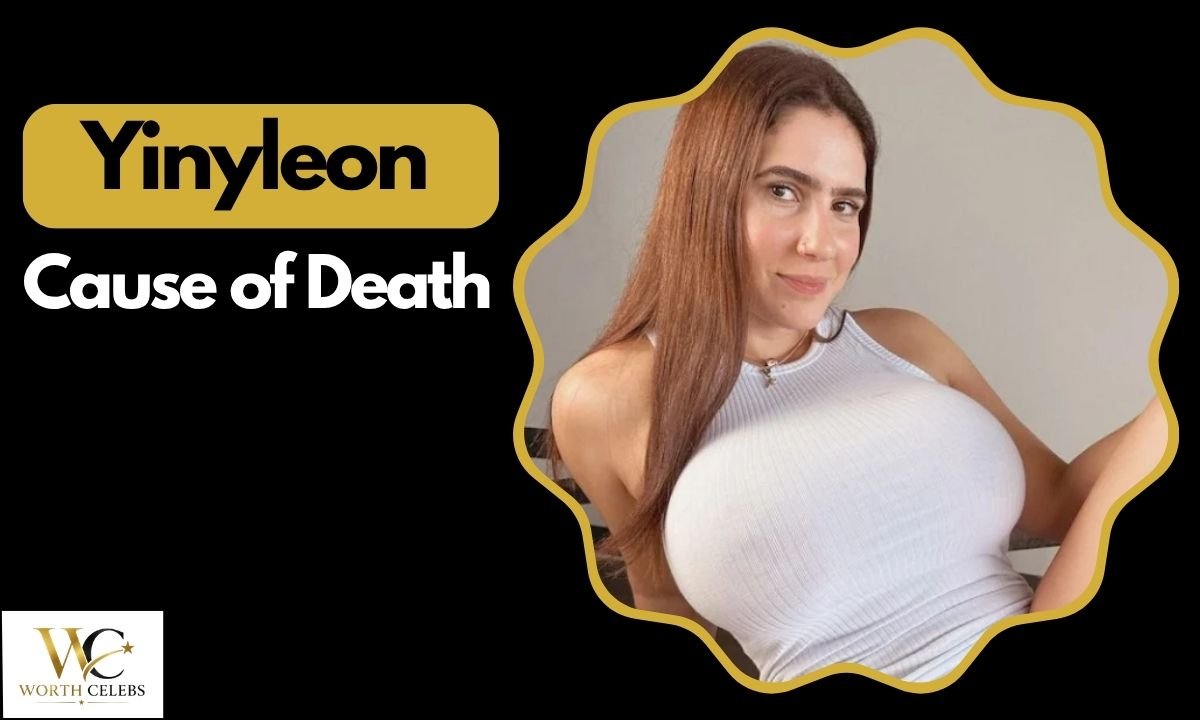
There is no credible report that Yinyleon has died — the “Yinyleon cause of death” claim remains an unverified internet rumor, with no official announcement, family statement, obituary, or credible news coverage behind it.
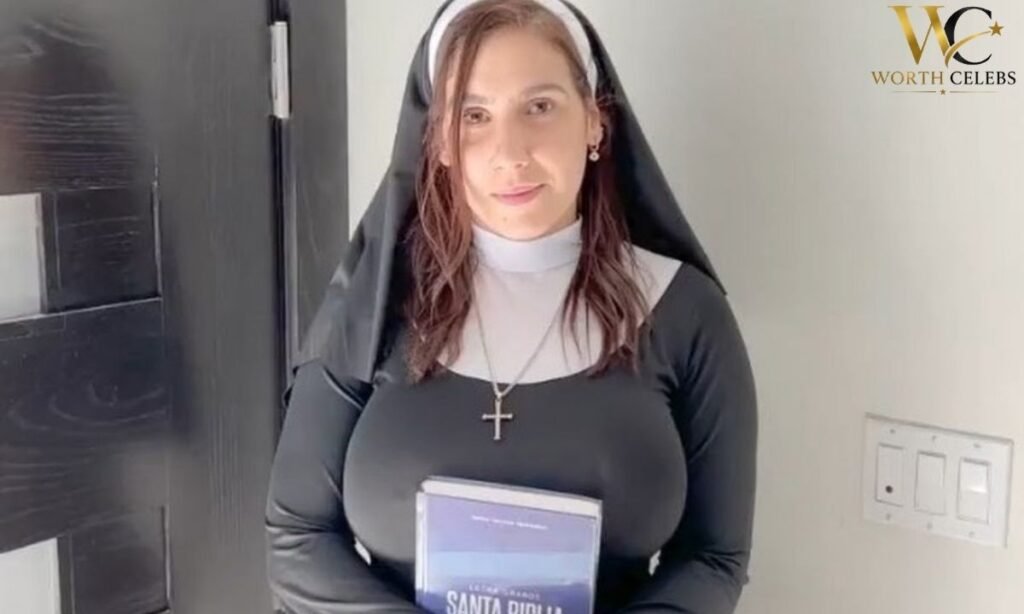
Yinyleon is an adult-content creator and social media influencer whose short-form videos and lifestyle content built her an audience reported in the millions. Online profiles describe her as being based in Puerto Rico; no verified real name, birth date, or net worth figure exists in credible sources.
This page examines where the rumor came from, what the viral posts actually show, and what can — and cannot — be confirmed, so readers can separate recycled hoax content from fact.
Table of Contents
Quick Bio: Who Is Yinyleon?
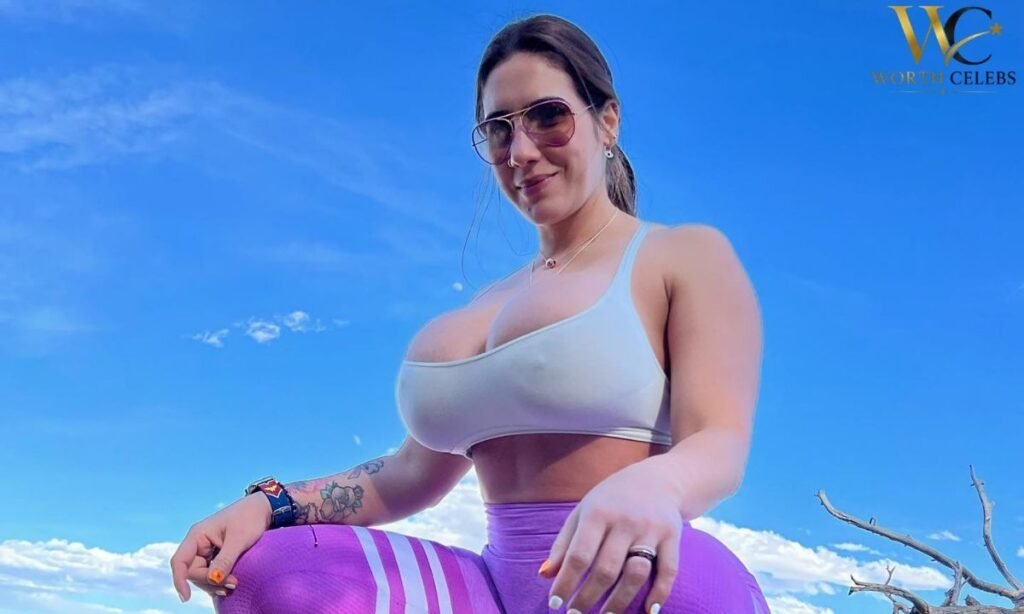
She is a social media influencer and content creator known for short-form videos and lifestyle content, with a combined following north of three million across platforms. She’s reportedly based in Puerto Rico and has built her audience the way most modern online personality careers happen: steadily, through consistent posting rather than mainstream press coverage. For another creator profile that separates verified facts from online rumors, see Violet Myers’ net worth breakdown.
| Detail | Information |
| Name/Alias | Yinyleon |
| Profession | Social media influencer, content creator |
| Known For | Short-form videos, lifestyle content |
| Active Platforms | TikTok, Instagram, YouTube |
| Follower Count | Over 3 million combined |
| Current Status | Active, based on 2026 public activity |
| Cause of Death | Not applicable — no death confirmed |
Why People Search for Yinyleon Cause of Death
Search trends don’t just appear out of nowhere. A handful of very specific triggers pushed this phrase to the top of Google and TikTok search bars this year. Emotional videos pairing old footage with somber music and captions implying she’s gone play a huge role. So do clickbait headlines using words like “shocking” or “revealed,” which exist purely to earn a click rather than deliver real news.
There’s also a simpler explanation hiding underneath all of it. Once enough people type a phrase, search engine autocomplete starts suggesting it to everyone else, creating a feedback loop that looks like widespread concern even when it’s really just algorithmic momentum. A short posting gap gets misread as a warning sign, and fans rush to verify tribute posts before sharing them themselves. None of these reasons confirm anything actually happened — they explain the curiosity, not the facts.
Is Yinyleon Dead?
No. Based on everything publicly available right now, there’s no official death confirmation tied to her name anywhere. Genuine death announcements follow a recognizable pattern, and it’s worth knowing that pattern before you trust the next viral post you see. There’s usually an official announcement from a verified account belonging to her, her family, or her management team, along with coverage from a credible news outlet and, in many cases, some form of public records or legal filing.
None of those steps have happened here. What exists instead is a pile of viral clips and copycat write-ups repeating the same unverified claim without adding a single new fact to it. Her recent public activity, including posts and direct interactions with followers, directly contradicts the idea that she’s died. When someone keeps showing up online, replying to comments, and posting new content, that’s a pretty strong signal all on its own.
The Truth About the Cancer Rumor

The cancer rumor is the most persistent version of this story, and it’s also the weakest once you actually look for proof behind it.
Where the Cancer Claim Started
The cancer claim traces back to anonymous social posts and low-quality blogs, not a hospital, a doctor, or anyone close to her. Some accounts added invented specifics, like fake cancer treatment timelines and made-up diagnosis details, to make the story feel more believable.
This is a common trick behind fabricated health rumors across social media: adding just enough specific-sounding detail that readers assume someone must have done real reporting.
They didn’t. A closer look shows the same handful of vague claims getting copied and reworded across dozens of low-effort pages, none of which cite an actual source. That’s not journalism. That’s recycling.
Why the Claim Does Not Hold Up
A genuine cancer diagnosis or related death usually produces some combination of clear evidence, and this case has none of it. There’s no family statement, no management statement, no medical records cited by any credible source, and no visible shift in posting habits consistent with serious illness. There’s also no coverage whatsoever from an established outlet, which matters a lot given how quickly real health news about public figures usually spreads.
Since none of those markers exist, the cancer rumors surrounding belong firmly in the speculation category. Responsible reporting simply doesn’t attach a specific illness to someone’s name without solid proof behind it, and neither should you when deciding whether to share something.
The TikTok Death Hoax Problem
TikTok is the primary engine driving this particular TikTok rumor, and understanding how the platform works explains a lot about celebrity death hoax culture in general.
How These Hoax Videos Are Usually Made
Creators chasing engagement tend to follow a nearly identical formula every time. They reuse old footage or photos completely out of context, layer in slow and sad music to set an emotional tone, and write a vague caption implying insider knowledge, something like “rest in peace” without any actual explanation attached. They skip citing any real source entirely, because there isn’t one, and they let the comment section fill up with grief before a single person thinks to ask for proof.
By the time skeptics show up asking questions, the video’s already racked up thousands of views and shares. The emotional damage, in a sense, is already done.
Why These Videos Spread So Fast
TikTok’s algorithm recommendations reward watch time and strong emotional reactions, and sadness tends to outperform calm, factual content by a wide margin. Viewers hit share before pausing to check whether a video contains any real confirmation, because grief feels urgent and skepticism feels like it can wait. By the time a fact check surfaces, the original hoax has usually reached far more people than the correction ever will.
This mismatch is the core mechanism behind most viral fake news involving public figures, and it explains why corrections rarely catch up to the original claim. A retraction posted a week later just doesn’t have the same emotional pull as a sad video with dramatic music behind it.
What About the Autopsy Claim?
Some versions of the rumor go a step further, claiming an autopsy report confirmed her death. This part deserves its own breakdown, because it’s genuinely one of the more deceptive layers of the whole hoax. An autopsy is a formal legal and medical procedure, and it only happens after a death has already been officially recorded through proper channels.
There’s no public legal filing, no medical finding, and no credible autopsy rumor connected to that traces back to an actual source. Using a clinical-sounding word like “autopsy” in a caption makes a claim feel official, but a word alone doesn’t manufacture real evidence. Any autopsy claim that isn’t linked to a legal or medical record should be treated as fabricated, full stop, no matter how confident the caption sounds.
Why Death Hoaxes Keep Happening
She isn’t the first online personality to face a fake death news cycle, and she certainly won’t be the last one either. A few forces make this kind of misinformation almost inevitable once a public figure hits a certain follower count.
Financial incentive plays a big part, since shocking headlines drive clicks, and clicks generate ad revenue for low-quality sites with almost no editorial standards. Platform design adds fuel to that fire, because algorithms tend to boost emotional content over calm, accurate reporting every single time. Emotional sharing behavior does the rest of the damage, since people share sad news before verifying it simply because grief feels urgent and waiting feels wrong somehow.
This Pattern Has Happened Before
Fake news built around celebrity mortality has circulated for years about musicians, actors, and online personalities alike, usually built from the exact same ingredients: recycled footage, a dramatic caption, and a mournful soundtrack.
Many of those earlier online death hoax stories trace back to a single unverified claim that got copied across dozens of pages until it started resembling real news through sheer repetition. This is how a viral death rumor builds legitimacy it never actually earned.
Recognizing this recurring pattern makes it a lot easier to stay skeptical the next time a similar story lands in your feed. Once you’ve seen the formula once, it becomes almost impossible not to notice it everywhere else.
How to Check If a Death Report Is Real
Next time a death rumor about any public figure crosses your feed, run it through a quick mental checklist before you share anything at all. Start by looking for a statement from a verified family member, representative, or management account, since that single detail separates real news from speculation almost instantly. Then check whether an established and genuinely credible news source has actually reported it, rather than a page you’ve never heard of before today.
Be cautious of vague phrasing like “reportedly” or “sources say,” since both phrases often mean nobody has confirmed anything at all. Visit the person’s own official accounts to check follower activity and recent posts, and remember that autocomplete reflects curiosity, not confirmed news. Treat dramatic captions or sad music as a warning sign rather than proof, because real journalists rarely need a soundtrack to report a fact. This kind of death rumor verification takes less than two minutes and saves you from spreading something false.
The Real Harm of False Death Reports
It’s tempting to treat a false death report as harmless internet drama that disappears by tomorrow, but the fallout actually reaches a lot further than one viral clip. Fans experience genuine grief and anxiety over something that never happened in the first place, and that emotional cost is real even when the underlying claim wasn’t. Reputation and brand partnerships can also suffer from repeated celebrity death misinformation, since sponsors tend to get nervous around any headline involving their name and the word “death” in the same sentence.
Search engines and AI-generated summaries can end up repeating these unconfirmed death reports once enough low-quality pages publish similar versions of the same story. Constant hoaxes also make people more skeptical of real emergencies involving other public figures down the line, which creates a genuine cry-wolf problem. People facing real illness later get taken less seriously, purely because so many fake health rumors came before them.
Why This Topic Still Trends in 2026
Social media misinformation rarely disappears once it starts circulating, and this particular rumor shows exactly why that’s true. Search engine autocomplete keeps suggesting the term to brand-new users who’ve never even seen the original claim, which restarts the cycle for a fresh audience every few months. Content sites keep republishing near-identical articles too, simply because the keyword still pulls decent traffic regardless of whether anything new has actually happened. Autumn Falls’ age, career, and net worth profile covers another creator whose online story is often misreported. One outlet traces the rumor’s possible origin to confusion after a fellow performer’s 2024 death — presented as its theory, not established fact.
Old TikTok clips also resurface constantly through shares and recommendation loops long after their original upload date, and new readers stumbling onto an old clip naturally assume it’s recent. That assumption alone is enough to restart the entire rumor from scratch. In short, this topic keeps trending because of search behavior and recycled content, not because of any new confirmed development behind it.
What Is Actually Confirmed?
Here’s a clean breakdown separating verified fact from ongoing speculation, since the two have gotten badly tangled together across dozens of low-quality articles this year.
| Confirmed | Not Confirmed |
| Active online presence as of 2026 | Any cause of death |
| No official death announcement from credible sources | A cancer diagnosis or related death |
| No verified cancer diagnosis | An accident or sudden incident |
| No legal or medical autopsy record | An autopsy or medical finding |
| Rumor traced back to anonymous social posts | Any family or representative statement |
FAQ’s
Is Yinyleon dead?
No credible source has reported her death. There is no official announcement, family statement, obituary, or news coverage — the claim remains an unverified internet rumor, and recent rumor-checks note her continued online presence.
Where did the Yinyleon death rumor start?
The rumor traces to viral social posts, recycled TikTok hoax videos, and low-quality blogs — none citing an official source. One outlet theorizes confusion with Sophia Leone’s September 2024 death; that theory is unverified.
Is the Yinyleon cancer rumor true?
No verified diagnosis, medical record, family statement, or credible report supports the cancer claim; it originated in anonymous posts, not from any medical or official source.
Is there an autopsy report about Yinyleon?
No verified autopsy report, legal record, or medical documentation tied to her name exists in any credible source.
What is Yinyleon’s real name?
No verified real name appears in credible public sources; she is publicly known only as Yinyleon.
What is Yinyleon’s net worth?
No verified or reliable net worth figure exists in credible sources; any numbers circulating online are unsubstantiated.
Latest Updates
As of October 2026 — still no credible death report. No official announcement, family statement, or credible news outlet has reported Yinyleon’s death; the claim remains an unverified internet rumor.
2024–2026 — the rumor keeps recycling. The same claims resurface periodically through TikTok hoax videos and low-quality blogs reposting old material as if it were new, restarting the search cycle each time.
September 2024 — a possible origin point. One outlet theorizes the rumor grew from confusion after the death of fellow adult performer Sophia Leone (accidental overdose, Albuquerque) — that is one source’s theory, not an established fact.
The Bottom Line on the Yinyleon Rumor
The Yinyleon Cause of Death rumor has created a lot of online talk. However, the article found no confirmed death report from a trusted source. Her public activity also suggests that she remains active online. The death rumor and cancer claim should not be treated as proven facts. Read the verified biography of fellow creator Adriana Chechik. More verified celebrity profiles are on the worthcelebs.com homepage.
People also search for her net worth, real name, age, and date of birth. Her online career has helped her gain a large following. Still, the available information does not give a fully verified net worth figure. It’s better to avoid trusting random numbers from low-quality websites.
In the end, readers should check official sources before believing viral posts. A sad video or dramatic caption isn’t proof of anything. The same rule applies to claims about her cause of death, health, or personal life. Checking facts can help stop online rumors from spreading.
Read More: